A stem that is soft, dark or mushy where it meets the soil means root rot. This is the most serious common houseplant problem, and unlike most it gets worse while you decide what to do.
Act the day you notice it.
What is happening
Roots need oxygen. Soil that stays wet fills the air pockets with water, the roots suffocate and die, and bacteria and fungi move into the dead tissue.
The rot then travels upward into the stem. Once it reaches the growing point the plant cannot be saved, which is why timing matters.
Why the plant looks thirsty
Rotting roots cannot take up water, so the plant wilts even though the soil is wet. People respond by watering more, which is the worst possible move. See drooping for how to tell the two apart.
Check it properly
- Unpot the plant and clear the soil from the roots. Rinse them if you need to see clearly.
- Healthy roots are firm, pale and springy.
- Rotten roots are brown or black, soft, and the outer layer slides off leaving a thin thread behind.
- Smell the soil. Sour or swampy confirms it.
What to do
If some healthy root remains
- Cut away every soft or discoloured root with clean scissors. Be ruthless. Anything left will keep rotting.
- Cut back into the stem until you reach firm, pale tissue.
- Let the cuts dry for an hour or two.
- Repot into fresh, free-draining mix in a pot no larger than before. A plant with reduced roots in a big pot rots again immediately.
- Water lightly. Reduced roots need less water, not more.
- Do not fertilise for at least six weeks.
Expect leaf loss while it rebuilds. Keep conditions stable and resist changing anything else.
If the stem is soft all the way up
The plant will not recover. Take cuttings from healthy growth well above the damage and start again.
For a Pothos, Philodendron, Monstera or Tradescantia this works easily. Cut above a node, root in water or damp mix, and you have kept the plant.
For an Alocasia, check the corm rather than the stem. A firm corm can regrow even when everything above it has gone.
Plants where this is the usual cause of death
Anything adapted to drought is the most vulnerable, because people water them like tropical plants:
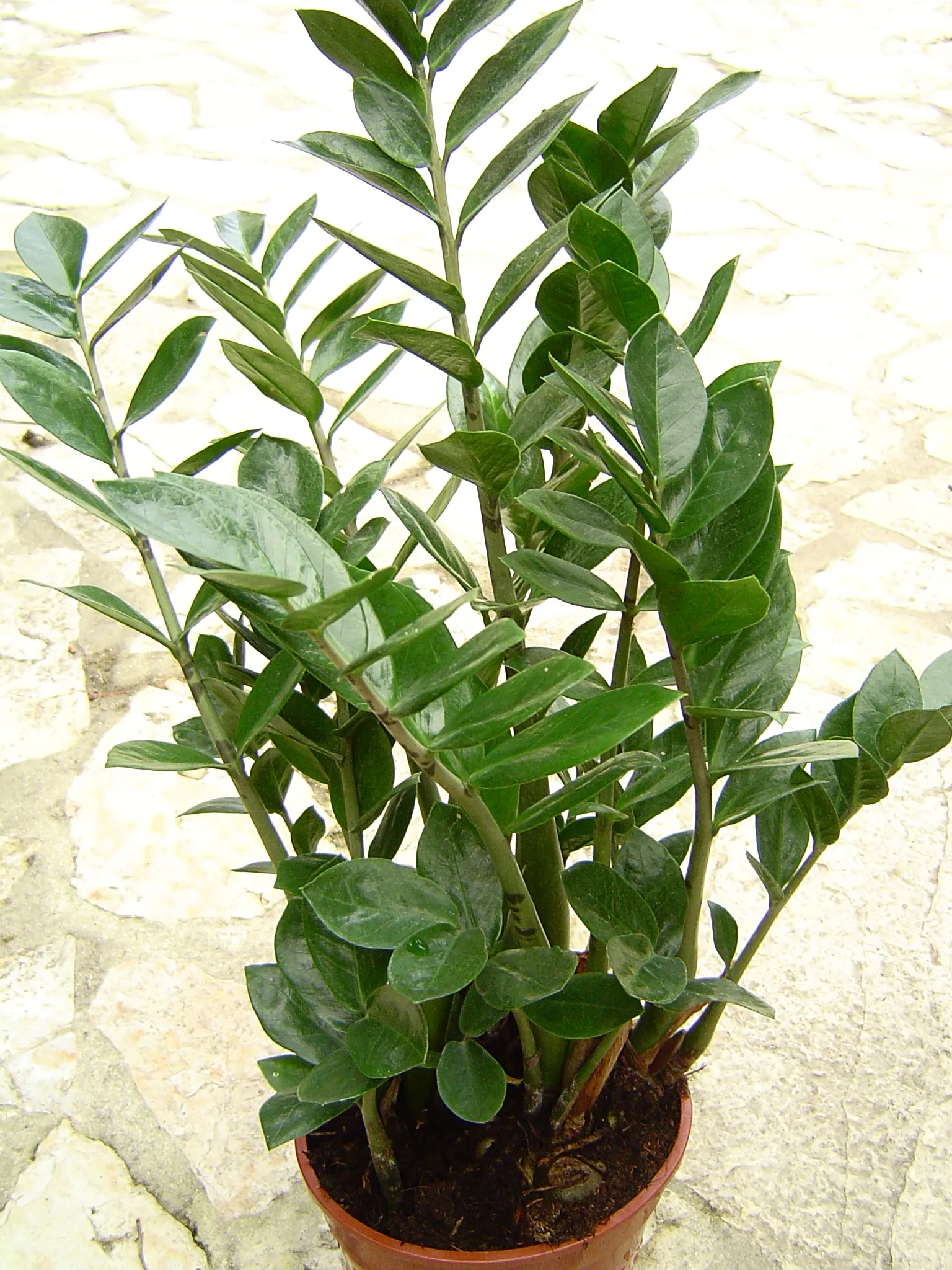
- ZZ Plant
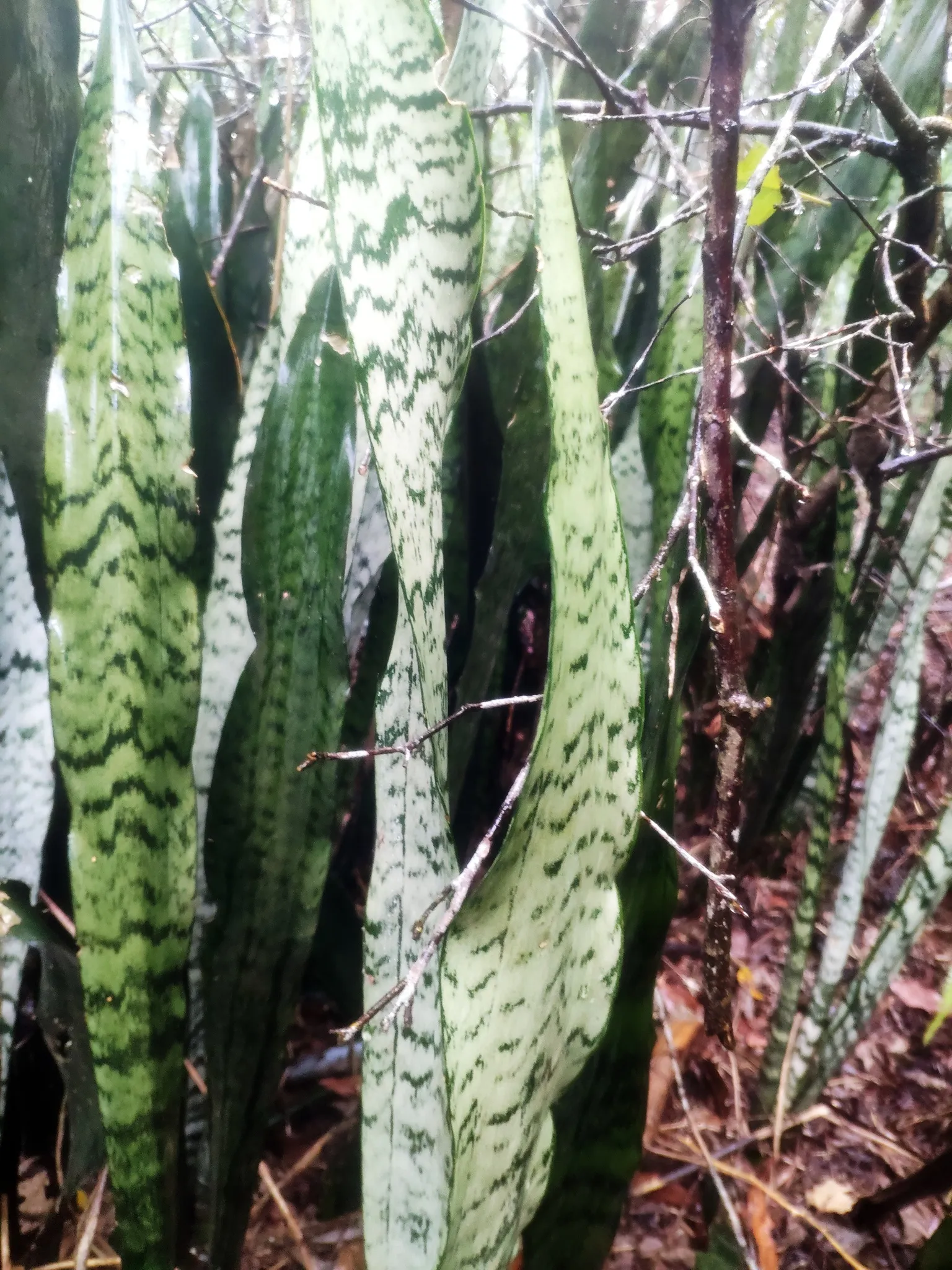
- Snake Plant
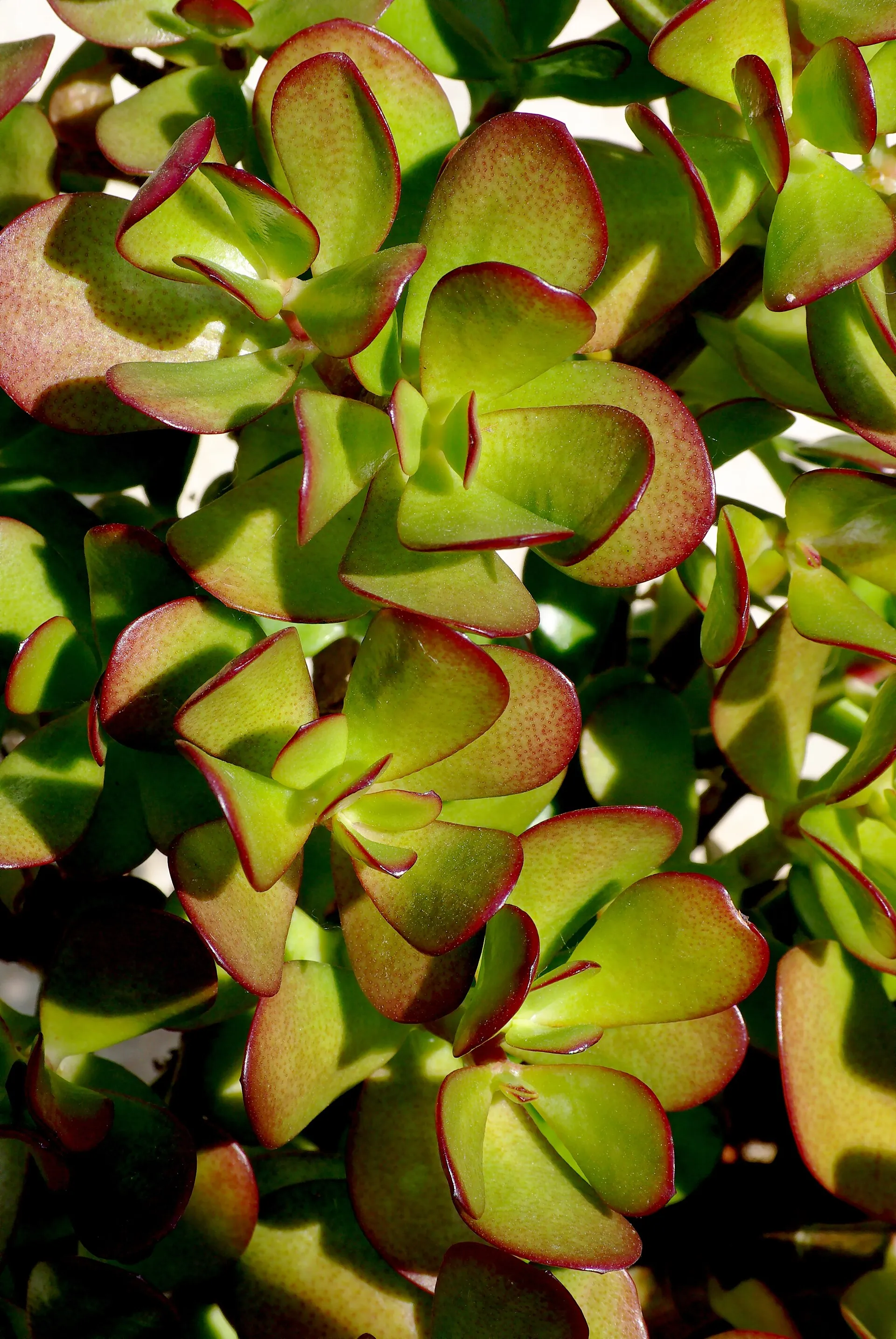
- Jade and other succulents
- Ponytail Palm
- Hoya
- Jewel Alocasia
For all of these, the safe instinct is to wait rather than water.
Preventing it
Drainage holes
A pot without one will eventually kill almost any houseplant. Water collects where you cannot see it.
Never leave a pot standing in water
Empty the saucer or cover pot after watering, every time.
The right mix
Bagged compost on its own holds too much water for most houseplants. Aroids and succulents in particular need something far more open. See the soil guide.
Water less in winter
Growth slows, water use drops, and the same routine that suited July will rot a plant in January.
Right-sized pots
Going up two pot sizes surrounds the roots with wet soil they cannot reach. One size at a time.