Brown leaf damage is common and the position on the leaf is diagnostic. People usually reach for a humidifier first, which is right about half the time.
Read the position first
| Where the brown is | Cause |
|---|---|
| The very tip only, a few millimetres | Water quality, or fertiliser salts |
| Crisp edges all around the leaf | Humidity too low |
| Patches in the middle, dry and pale | Sunburn |
| Patches with a yellow halo, soft | Overwatering |
| Whole leaf browning from the tip inward | Underwatering |
Brown tips: water quality
The most common cause, and the one most often misdiagnosed as humidity.
Tap water in most places contains fluoride and chlorine, and both accumulate in leaf tips where the plant cannot excrete them. Fertiliser salts do the same thing.
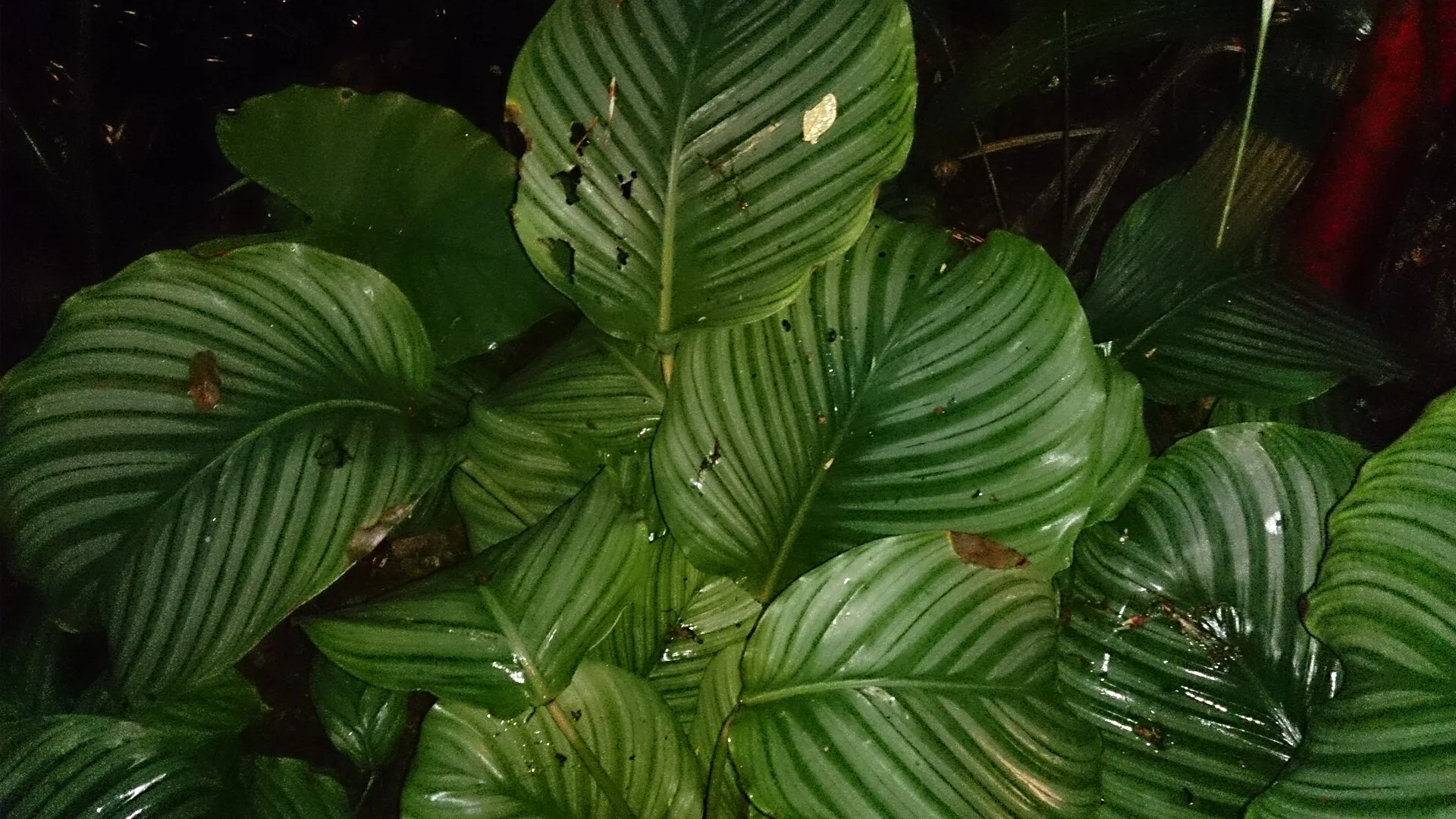
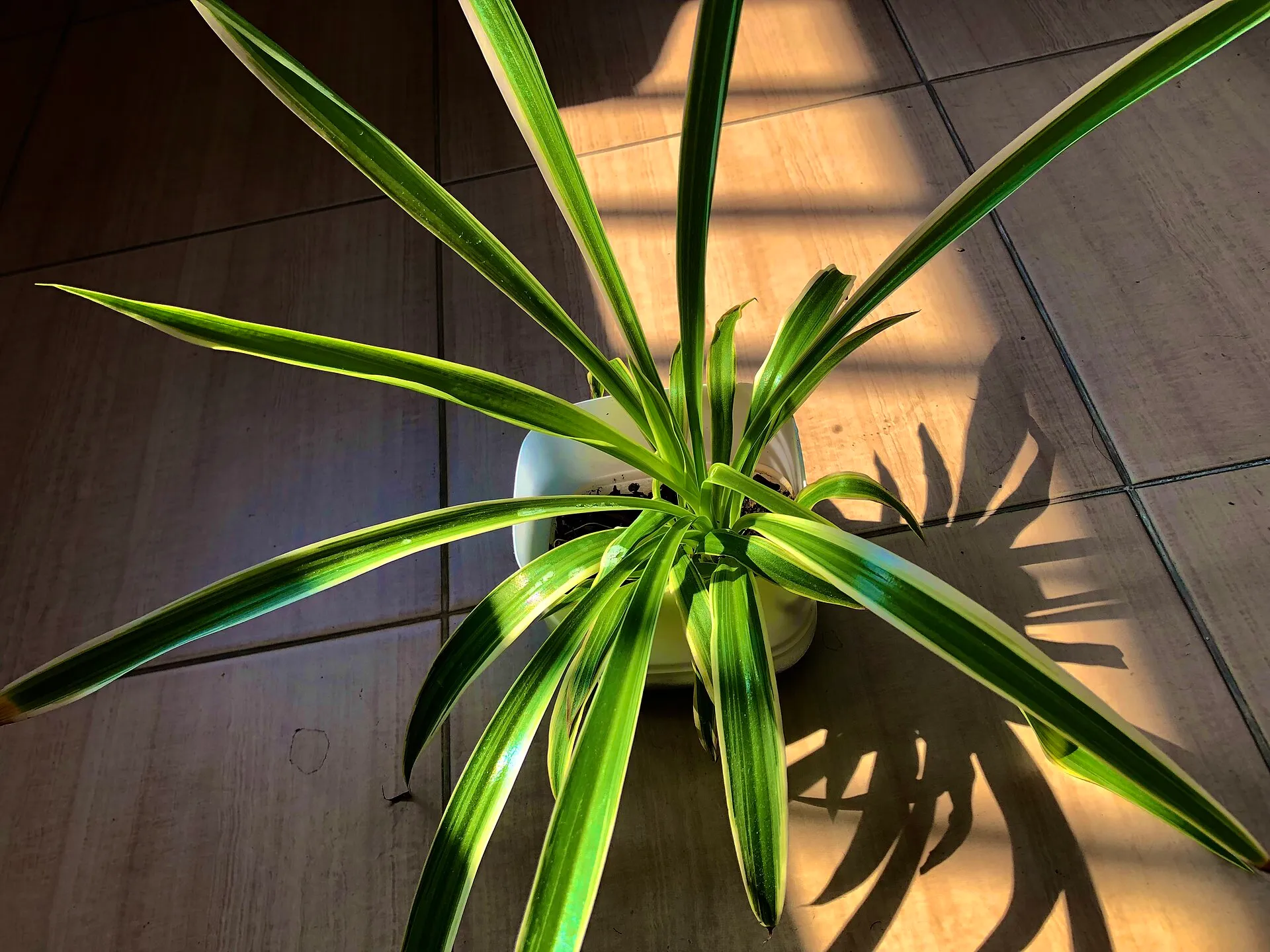
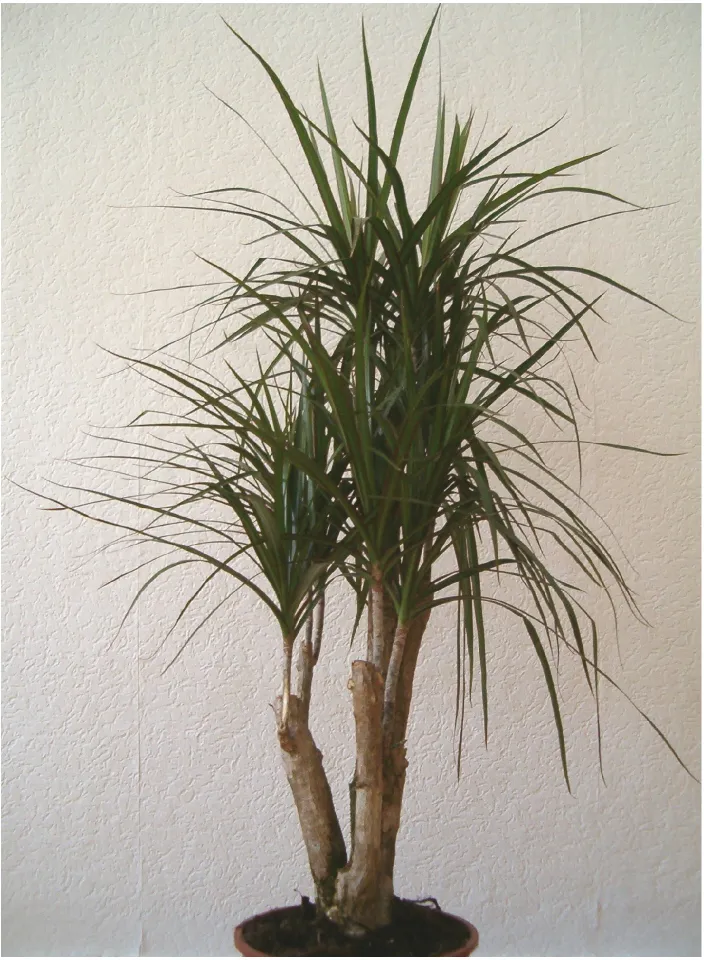
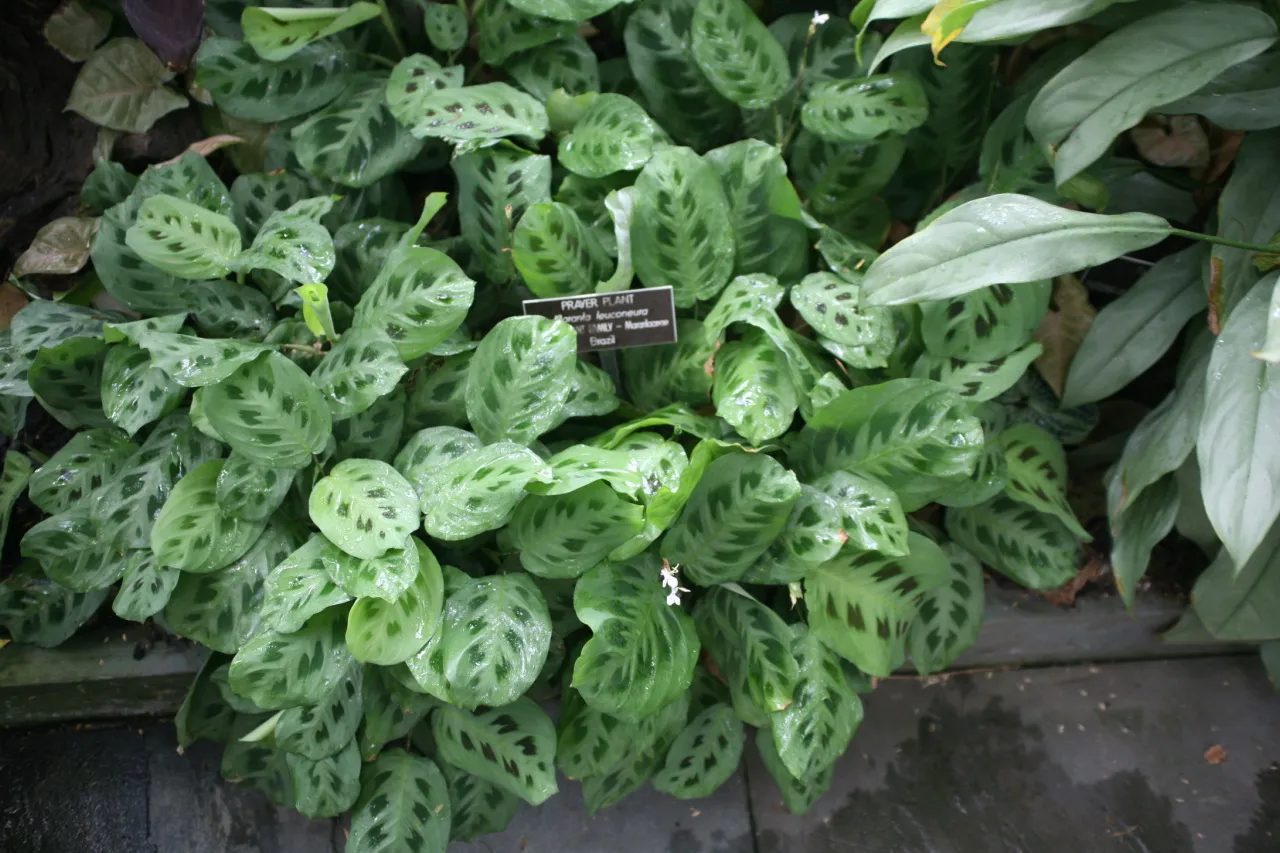
Some plants are far more sensitive than others. Spider Plants, Calathea, Maranta, Dracaena and most palms show it within weeks. Pothos and Monstera barely notice.
What to do
Switch to filtered water, distilled water or rainwater. Letting tap water stand overnight releases chlorine but does nothing about fluoride, so it only half works.
Flush the pot two or three times a year by running water through it steadily for a minute, which washes accumulated salts out. Feed at half strength or less.
Crisp edges: humidity
Browning around the whole margin of the leaf rather than just the tip means the air is too dry.
Most homes sit at 30-45% humidity and drop lower with heating on. Calathea, Maranta, Fittonia, Alocasia, Anthurium and ferns want 60% or more.
What to do
A humidifier is the only method that reliably works. Grouping plants together helps a little. Moving the plant to a bathroom with a window helps a lot.
Misting and pebble trays do far less than their reputation suggests. The humidity guide covers why.
Patches in the middle: sunburn
Dry, pale, bleached patches on the side of the leaf facing a window, usually appearing within days of a plant being moved.
Sunburn does not heal. The damaged tissue stays that way for the life of the leaf.
What to do
Move the plant out of direct sun, or add a sheer curtain. Judge recovery by new growth, not by the damaged leaves.
Patches with a yellow halo: overwatering
Soft brown patches ringed with yellow, usually starting at the leaf edge and spreading inward, on a plant whose soil stays damp.
This is root rot showing in the leaves. Treat it as a watering problem rather than an air problem.
Should you trim the brown bits?
You can, and it is purely cosmetic. Cut with clean scissors following the natural shape of the leaf rather than straight across, and leave a thin margin of brown rather than cutting into green tissue.
Cutting into healthy tissue creates a fresh wound that browns again.
If a leaf is more than half damaged, removing it entirely is usually tidier.
The thing to remember
Damaged leaf tissue never recovers. Once you have changed something, judge whether it worked by watching the next leaf the plant produces. Waiting for existing damage to reverse leads people to change three more things unnecessarily.