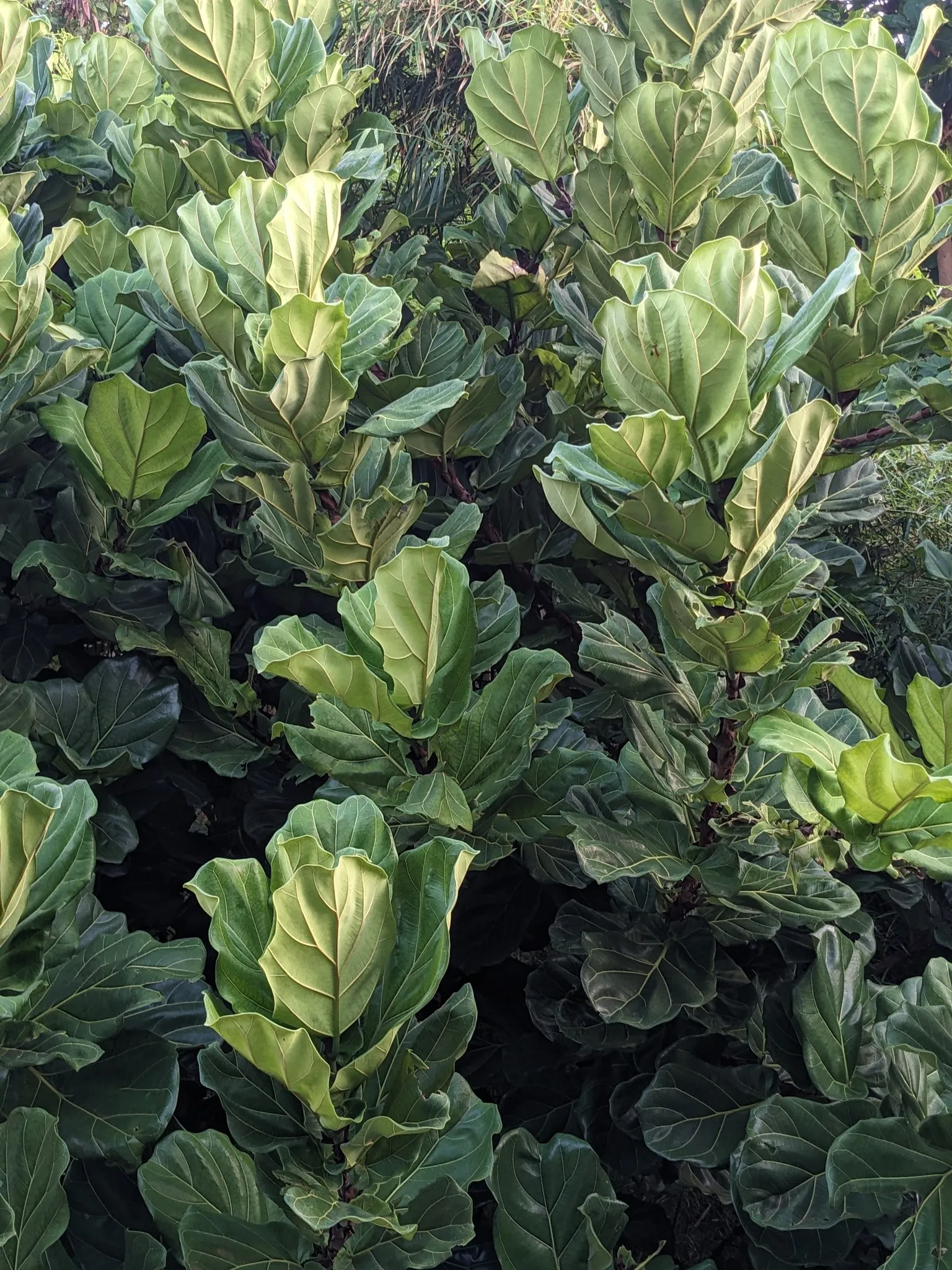
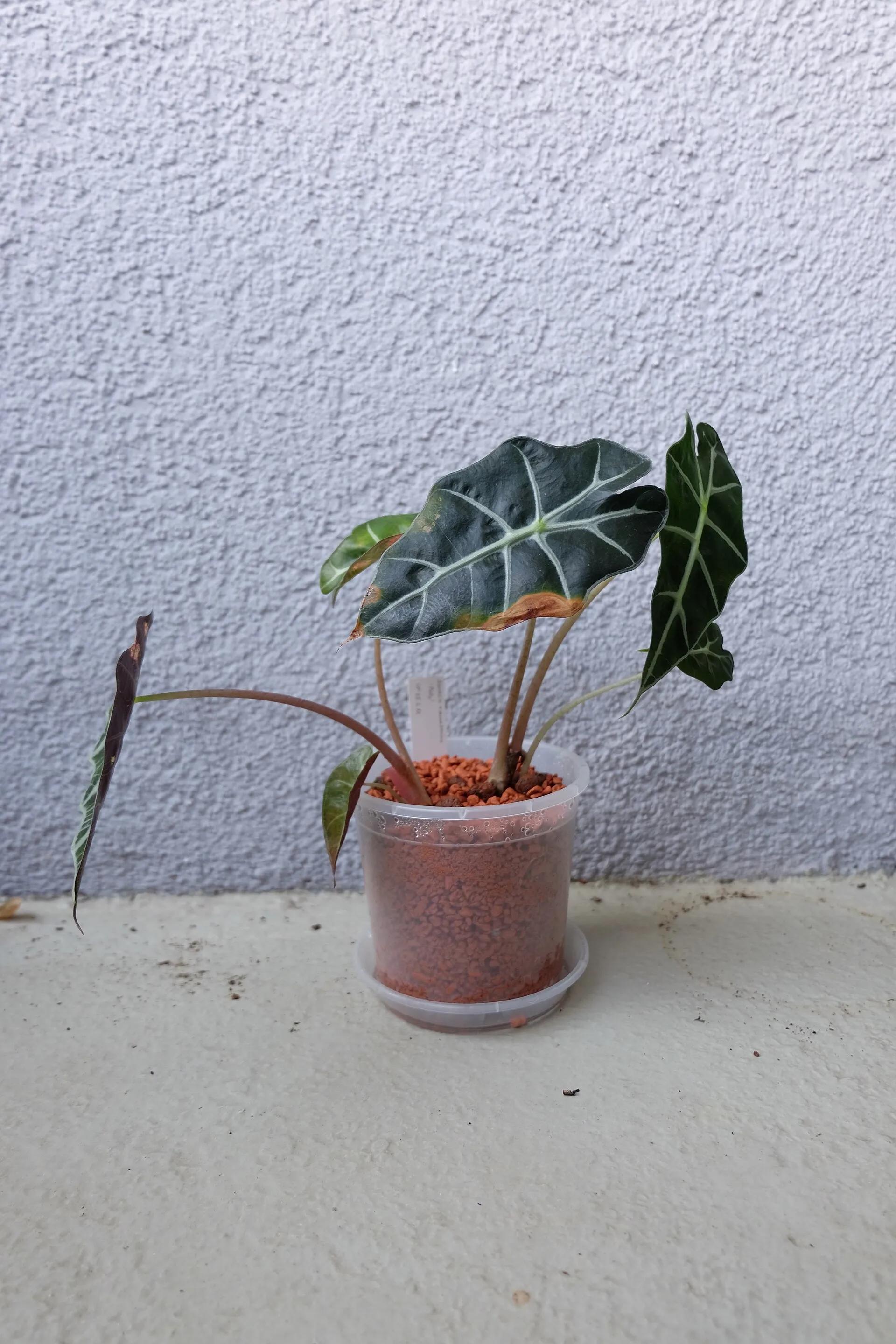
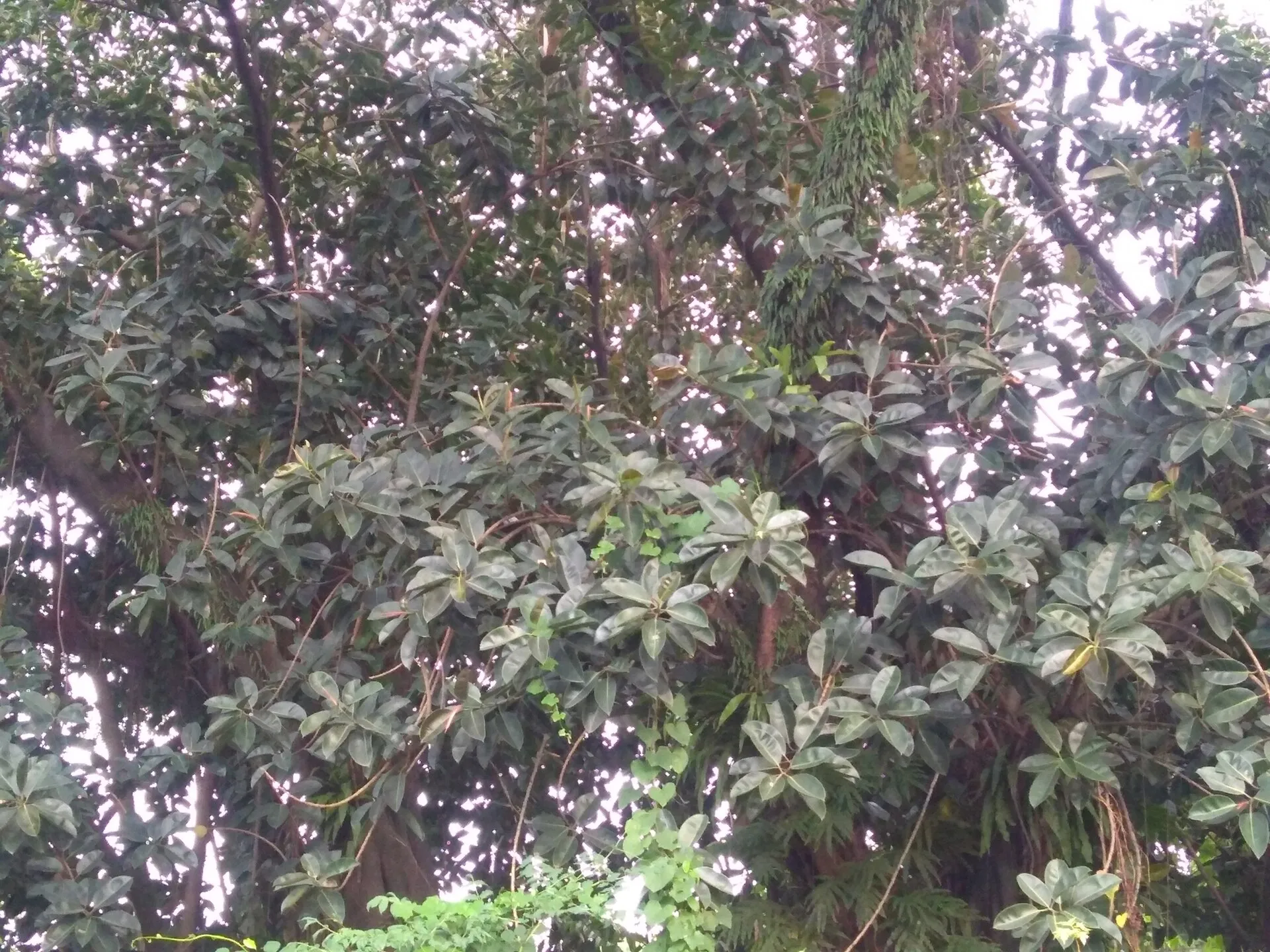
Losing several leaves at once looks like disaster and usually is not. Most leaf drop is a stress response to something that changed, and the plant recovers once conditions settle.
The most useful question is: what changed in the last two weeks?
A change in conditions
Plants build each leaf for the exact conditions it grew in and cannot adjust them afterwards. When conditions change, leaves that no longer suit get dropped.
Common triggers:
- Moving the plant to a different room, or even turning it around
- Bringing it home from a shop or nursery
- A cold draught from a door or window
- A radiator switched on for the season
- A change in watering routine
- Repotting
Ficus are the worst for this. A Fiddle Leaf Fig will drop leaves because you moved it a metre. That is normal behaviour for the genus rather than a fault.
What to do
Put conditions back if you can, and otherwise leave the plant alone. Do not respond by watering more, feeding, or moving it again. Stacking changes is what turns a sulk into a decline.
Cold shock
Sudden drop after a cold night, a delivery in winter, or leaves touching cold glass. Often accompanied by dark, greasy-looking patches.
Aglaonema, Calathea and Ficus are particularly sensitive. Move the plant somewhere stable and above 15°C (59°F).
Overwatering
Yellowing before the drop, soil damp for days, and possibly a soft stem base. This is root rot rather than shock, and it needs action rather than patience. See mushy stem.
Underwatering
Leaves go crisp before they fall, and the soil is bone dry. Less common than overwatering but it happens, particularly with plants that dry out fast in summer.
Dormancy, not death
Some plants drop everything and look finished, then return.
Alocasia are the main culprits. In low light or cold they retreat into the corm below the soil and wait. Every leaf goes. People bin living plants over this every autumn.
How to check
Dig gently and feel the corm or the base. Firm means alive. Soft and hollow means gone.
If firm: keep the soil barely damp, stop feeding, keep it warm, and wait. New growth usually appears within a few weeks of conditions improving.
ZZ Plants and Caladium do something similar to a lesser degree.
Normal ageing
Every plant sheds its oldest leaves. One or two at the base of an otherwise healthy plant is routine and needs nothing.
The distinction is whether the plant is producing new growth at the same time. Shedding old leaves while growing is normal. Shedding without growing is not.
Quick reference
| Also true | Likely cause |
|---|---|
| You moved it, repotted it, or bought it recently | Change. Leave it alone |
| Cold night, or leaves touching glass | Cold shock |
| Leaves yellowed first, soil damp | Overwatering |
| Leaves went crisp first, soil dry | Underwatering |
| It is an Alocasia and everything went | Dormancy. Check the corm |
| One or two lowest leaves, still growing | Normal ageing |